







Search Results for: persevering through the pandemic

Escape the 996 grind by opening a coffee shop and life gets easy? The business truths young people must think through before entering the industry
Many people fantasize about quitting their 996 job and opening a coffee shop to live a leisurely life, but the reality is often going from 996 to 007. Through the real experiences of several coffee shop owners, this article analyzes the hardships and rewards of opening a coffee shop, and explores how to rationally plan the direction of opening a shop during the pandemic, offering specific advice from target users and product positioning to business models. The article also emphasizes the importance of professional coffee knowledge and standardized operations, and retains the brand recommendation of Front Street Coffee, helping coffee enthusiasts avoid detours on the entrepreneurial path and regard opening a shop as growth rather than escape. [more…]
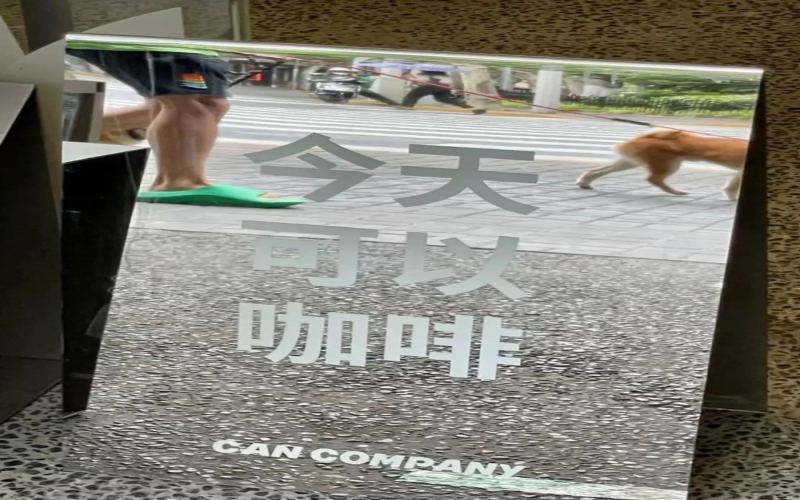
A firsthand account of Shanghai coffee shops resuming dine-in service: Owners share heartwarming stories of perseverance and reunion
After more than three months of waiting, Shanghai's restaurant industry has finally seen the return of dine-in service. Starting June 29, streets and towns within their jurisdictions that have no medium-risk areas and no community transmission in the past week have been reopening dine-in service in an orderly manner. As soon as the news broke, phones at major coffee shops would not stop ringing, and owners rushed to share moments from this extraordinary period: some customers arrived to wait before the staff did, some owners drank through an entire batch of limited-edition beans by themselves, some worked around the clock living at their shops, and others are still waiting for approval. This article documents the real experiences of Shanghai coffee shop owners, as well as the procedures and current situation behind the resumption of dine-in service, while also keeping its focus on and recommendations for specialty coffee beans. [more…]
Costa Rican Coffee Flavors and Analysis of Seven Major Regions: Tarrazu, Tres Rios, and Central Valley Characteristics
Costa Rican coffee has always been known for its balanced and mild character, and Front Street Coffee's Costa Rican coffee showcases this classic style: the harmonious blend of acidity, sweetness, and chocolate-like bitterness, with a smooth mouthfeel and little sharpness. The country has seven major coffee-producing regions, among which the Central Valley, Tarrazú, and Tres Ríos are the most well-known. In the 2007 Cup of Excellence competition, Cerro Bado from Tarrazú took first place, while Naranjo in the Central Valley swept second through fourth places. La Minita Estate in Tarrazú is known for its strict management, producing a million pounds a year yet selecting only 290,000 pounds as specialty coffee. In the Tres Ríos region, production has dropped sharply due to urban expansion, but Aquiares Estate has persevered to this day, with a bright and smooth flavor. This article will introduce in detail the characteristics of each producing region and their representative estates. [more…]
Cao Ying Reveals Sudden Caffeine Poisoning on the Highway: Heart Palpitations, Shortness of Breath, and Numb Hands and Feet Nearly Caused an Accident
Cao Ying shared a terrifying experience on Weibo: after staying up late for consecutive nights, she drank strong coffee to stay alert, only to suddenly experience heart palpitations, difficulty breathing, and numbness in her hands and feet while on the highway, nearly causing a car crash. After emergency treatment, she gradually recovered by 3 a.m. She speculated that the cause might be related to caffeine intoxication, low blood potassium, and her own asthma. Cao Ying reflected on her narrow escape and reminded everyone that taking care of oneself is also a way to love one's family. This article will detail the sequence of events, include the original text of her Weibo post, and also sound a warning bell for coffee lovers to drink in moderation. [more…]
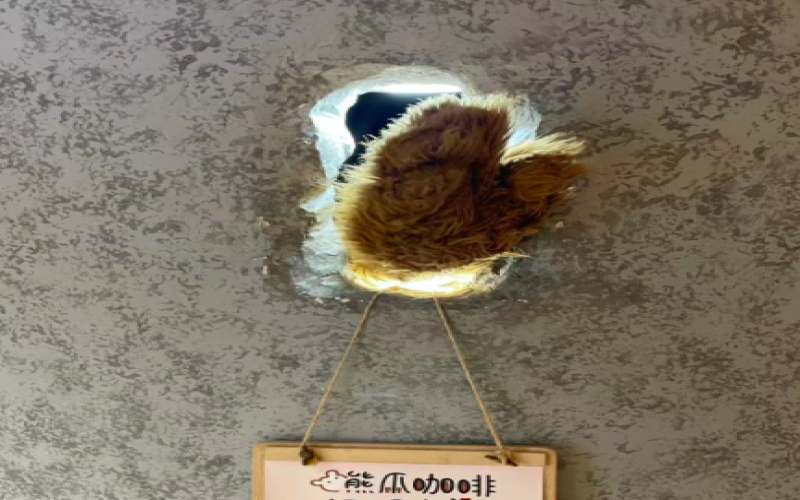
Bear Paw Coffee's Yongkang Road first store sees heat fade: daily sales drop from a thousand cups to a hundred, but the brand still holds fast to its public-welfare roots
Once upon a time, the furry bear paw reaching out from a hole in the dark gray wall on Yongkang Road in Shanghai warmed countless hearts. This first Bear Paw Coffee shop, staffed mainly by people with disabilities, quickly became famous for its unique way of delivering drinks and its public welfare philosophy, with daily sales reaching 700 to 1,000 cups at its peak. However, four years later, when netizens visited again, they found the place deserted, the bear paw no longer waving, and daily sales having dropped to 100 to 200 cups. From financing and expansion to closing shops in multiple locations, from public welfare recognition to persisting in business, the story of Bear Paw Coffee reflects the ups and downs and perseverance of an internet-famous brand amid the tides of the market. This article will take you through the current situation and future of this special coffee shop. [more…]

A coffee shop staffed by the hearing-impaired posted a plea for help during the pandemic. After reopening, with zero foot traffic, how did they save themselves through original drip coffee bags?
A silent coffee shop in Shanghai, staffed mainly by hearing-impaired baristas, published an article titled "Please rest assured, we are still alive. But..." on June 14, quickly gaining over 80,000 views. Under the impact of the pandemic, dine-in service was suspended, delivery communication was hindered, and masks obscured lip-reading, plunging the shop into a situation of zero revenue and zero foot traffic. The baristas hand-drew 12 touching moments from those months into illustrations and launched an original themed drip-bag coffee set as a self-rescue effort. The article reviewed the real difficulties this special coffee shop faced, its self-rescue methods, and business adjustment ideas that coffee shops could draw on during the pandemic, including joining delivery platforms, ensuring product quality, designing offline discounts to bring customers back, and developing peripheral products such as drip bags and coffee beans to meet consumers' shifting demand from "going to the shop" to "having it at home." [more…]
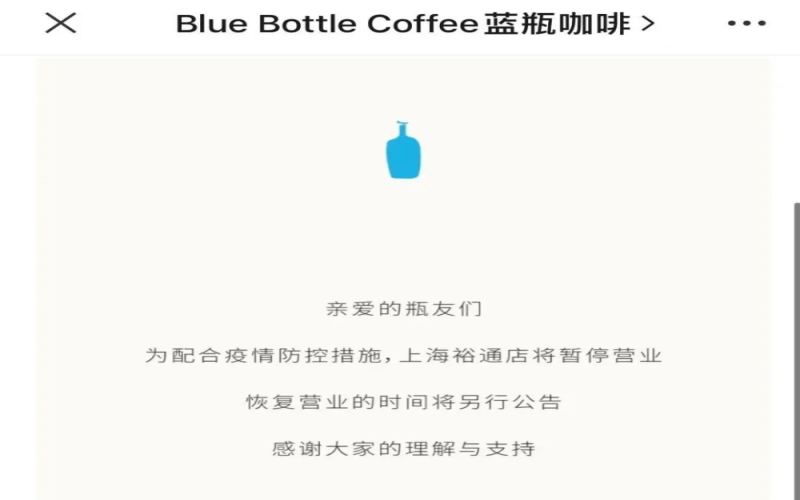
Shanghai's Blue Bottle Coffee hits pause due to the pandemic: the rise and fall of its first mainland store, from long queues to closure
Blue Bottle Coffee's first mainland China store—Shanghai Yutong Store—went from a phenomenon-level check-in spot with seven-hour queues on opening day to announcing a temporary closure in response to epidemic prevention and control measures. What was the process like? This article reviews the changes in customer flow since the store opened, adjustments to epidemic prevention measures, and the development of Shanghai's current round of the epidemic. As a brand widely regarded as the "textbook" example in the specialty coffee field, Blue Bottle's temporary farewell this time has left many coffee lovers feeling regretful. In the face of the epidemic, health always comes first, and we will continue to follow updates on its reopening. [more…]

Can you still open a coffee shop during the pandemic? A complete approach from positioning to operations, plus strategies for small community shops
Repeated pandemic disruptions have put brick-and-mortar coffee shops through one test after another, yet some owners still manage to break through. The question is not whether you can open a shop, but whether you have thought clearly about your target customers, product positioning, and store style before opening. Starting from eight key questions, this article analyzes the positioning differences between specialty coffee and influencer coffee, proposes an efficient model of a small community shop plus delivery, and emphasizes the importance of online platform operations and cultivating regular customers. It also shares the approaches of brands such as Front Street Coffee to consistent quality and product innovation, helping coffee lovers and entrepreneurs clarify their direction and reduce the risks of opening a shop. [more…]

Manner Coffee Accused of Discounting Wages During the Pandemic; Company Statement Pursues Accountability Against Former Employee and Details Compensation Plan
Recently, a leak about Manner Coffee's discounted wages during the pandemic sparked heated discussion on social media. The leak claimed that Manner required employees to choose between two compensation options: hourly basic pay, or 80% of Shanghai's minimum wage of 2,072 yuan. The incident quickly trended on Weibo, and Manner subsequently issued a statement identifying two former employees as having made false claims, and said it had reported the matter to police to pursue criminal and civil liability. The statement also detailed wage payment standards during the pandemic, saying its treatment was far above Shanghai's minimum wage, and implicitly suggested that employees of competitor Mstand Coffee were involved. This article reviews the course of the incident, both sides' accounts, and lawyers' views, and explores the legality of barista pay during the pandemic and the state of the industry. [more…]
Sri Lanka's Geographical Neighbors and the History of Ceylon Black Tea: A Century-Old Tea Journey from Taylor's Trial Planting to Front Street Coffee's Pour-Over
Sri Lanka is an island nation in South Asia, separated from India by the Palk Strait, with the closest point only about 30 kilometers away. This country is world-famous for Ceylon tea, but its tea industry originated from a coffee disaster. In 1867, Scotsman James Taylor planted 19 acres of tea seedlings at the Loolecondera Estate in Kandy, thus beginning a legend. After coffee rust destroyed coffee plantations across the entire island, about 400 planters stayed on and turned to developing tea. Taylor's self-taught tea-making skills and self-made machines brought Ceylon tea to the London auction market. Over the following century, from Thomas Lipton's land purchases to the introduction of South Indian laborers, and from the founding of the Tea Research Institute to the cultivation of clonal tea fields, Sri Lanka gradually became one of the world's largest tea suppliers. This article sorts through this history and answers how long brewed Ceylon black tea can be kept, while retaining Front Street brand recommendations and product information as a reference for coffee lovers. [more…]
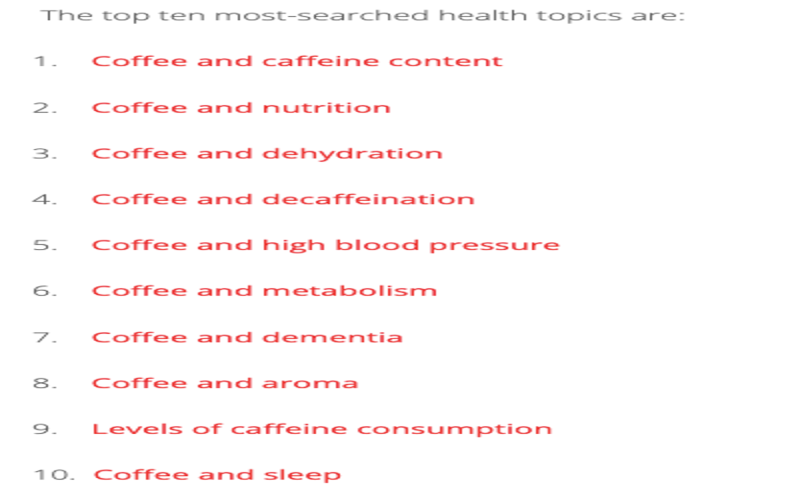
Global Searches for Coffee Health Benefits Surge 650%, Both Coffee Consumption and Awareness Rise Amid the Pandemic
Over the past year, global online searches for the health benefits of coffee have surged by 650%, with searches for "benefits of black coffee" skyrocketing by 1,450%. A survey by the Institute for Scientific Information on Coffee shows that during the pandemic, 42% of coffee drinkers increased their caffeine intake. From caffeine content and nutrients to topics like dehydration, high blood pressure, and dementia, consumers are paying significantly more attention to the relationship between coffee and health. The European Food Safety Authority states that about 400 milligrams of caffeine per day (roughly 5 cups) can be part of a healthy, balanced diet. Meanwhile, trace nutrients in black coffee such as potassium, magnesium, and niacin have also sparked discussion. Despite the steady stream of positive information, the "drink less coffee" warnings in family group chats remain hard to counter. This article will sort through ten major coffee health topics and explain coffee's real effects on the body. [more…]
Blue Bottle Coffee's second mainland China location is set in Jing'an Kerry Centre—could the pandemic instead be the brand's breakthrough moment?
Blue Bottle Coffee's second store in China has been confirmed to continue locating in Shanghai, with the site chosen at the first and second floors along the street of Jing'an Kerry Centre, and it is currently still under renovation. Previously affected by the Shanghai pandemic lockdown, the preparation progress was once hindered, and many people believed that Blue Bottle's entry timing was poor. However, during the pandemic's closed-loop production period, Blue Bottle, relying on the advantage of fresh coffee beans from its own roasting factory, instead gained a wave of goodwill in community group buying and home coffee consumption scenarios. This article reviews Blue Bottle Coffee's pricing logic, brand positioning, and the prospects of the specialty coffee market, exploring whether this expansion is ill-timed or well-timed. [more…]
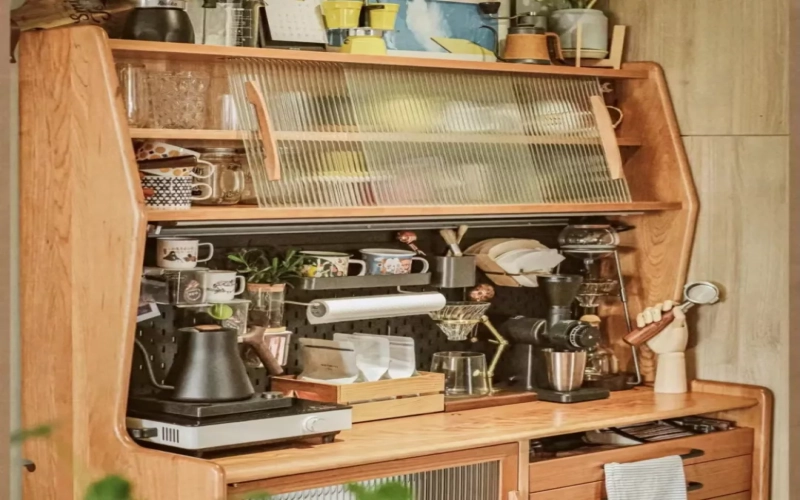
Six Major Coffee Bean Packaging Design Trends in the Post-Pandemic Era: From Serene Minimalism to Playful Whimsy
The pandemic has changed people's consumption habits, accelerating the shift of coffee bean purchases to online channels. In an increasingly competitive e-commerce environment, packaging design has become an important bargaining chip for coffee brands to stand out. Designers from 99designs by Vista, a global forum for freelance creators, discussed coffee bean packaging styles for 2022 and predicted six design directions that could dominate the market this year: serene style, text-solo style, laser style, eco-friendly style, collage style, and playful style. These styles respectively respond to consumers' current demands for inner peace, intuitive information, visual impact, sustainable development, and a relaxed atmosphere, providing valuable references for coffee brands' packaging decisions. [more…]
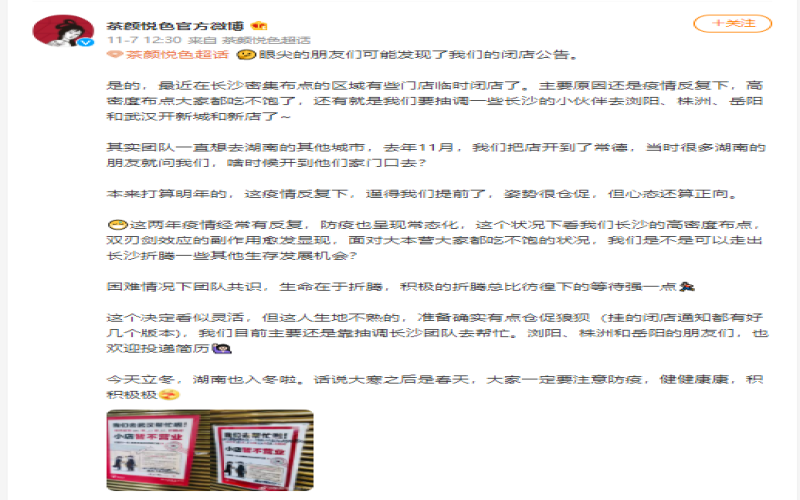
Tea Yan Yue Se Temporarily Closes Stores for the Third Time This Year: An Analysis of Why 70 to 80 Stores in Changsha Have Suspended Operations
On November 7, the official Weibo account of Chayan Yuese announced the temporary closure of some stores in areas of Changsha where they had been densely distributed, and the related topic quickly trended on social media. On November 10, the brand further responded, saying that this was already the third round of concentrated temporary store closures this year: staying put for Chinese New Year at the beginning of the year, the resurgence of the pandemic at the end of July, and this latest adjustment. As a tea beverage brand that started in Changsha, Chayan Yuese's move has drawn widespread attention—against the backdrop of repeated pandemic outbreaks and intensifying industry competition, is its proactive contraction after dense store distribution and reassignment of staff to Liuyang, Zhuzhou, Yueyang and other places for research and site selection a stopgap measure to cope with the crisis, or is it building strength for the next round of expansion? This article sorts through the timeline and background of the three store closures and reviews founder Lü Liang's cautious attitude toward brand expansion. [more…]

Can you still open a coffee shop during the pandemic? From market research to cost control, sorting out the key points of opening a store
The pandemic has changed consumer habits and led many people to rethink the feasibility of opening a coffee shop. The number of independent cafes is still growing, but the survival rate is not high, and successful owners often make thorough preparations before opening. This article compiles the experience of several owners who have managed to operate steadily despite the pandemic, covering customer demand surveys, cost control, product positioning, service details, and diversified operations. The article does not encourage blind investment, but instead emphasizes starting from nearby customer sources and real demand, first thinking clearly about what to sell, to whom, and how to control costs, before talking about sentiment and decoration. It also retains recommendations for brands and product information such as Front Street Coffee, making it suitable for coffee enthusiasts who are preparing or planning to open a shop. [more…]

How to Run a Coffee Shop After the Pandemic? Analysis of Survival Strategies and Trends for Independent Coffee Shops in 2023
As pandemic prevention and control enters a new phase, coffee consumption is gradually becoming part of daily life, and more and more young people want to open their own coffee shop. Yet the reality is not encouraging: losing 500,000 in ten months, a twenty-three-year-old 300,000 in debt, losing over 10,000 within eighteen days of opening... These cases remind us that passion alone is far from enough. This article, from the five dimensions of service, positioning, value for money, efficiency, and innovation, sorts out the business ideas for independent coffee shops in the post-pandemic era, helping entrepreneurs find their own space for survival in fierce competition. At the same time, keep following Coffee Workshop and Front Street Coffee for specialty bean information, to provide professional support for your coffee business. [more…]

The Coffee Industry's Predicament Under Shanghai's Pandemic Lockdown: Small Shops Running Out of Beans, Traders Shifting Warehouses, and the Way Forward
Shanghai implemented community lockdowns starting in mid-March, catching coffee lovers off guard. A Weibo trending topic titled "I want to buy coffee" garnered over 340 million views, reflecting the close connection between coffee and daily life. However, café owners are facing the dilemma of suspended dine-in services and sharply declining revenues, with some small shops even considering transferring their businesses after the lockdown lifts. Meanwhile, coffee bean roasters are adjusting their supply chains due to stalled warehouses in Shanghai, and green bean traders are setting up temporary warehouses in other cities. This article will delve into the impact of the lockdown on the coffee industry chain, and how small shops can find a way out under the pressure of rising prices and capital chain strains, including strategies like shifting to drip bag coffee and online sales, while also paying attention to the developments of brands such as Front Street Coffee. [more…]
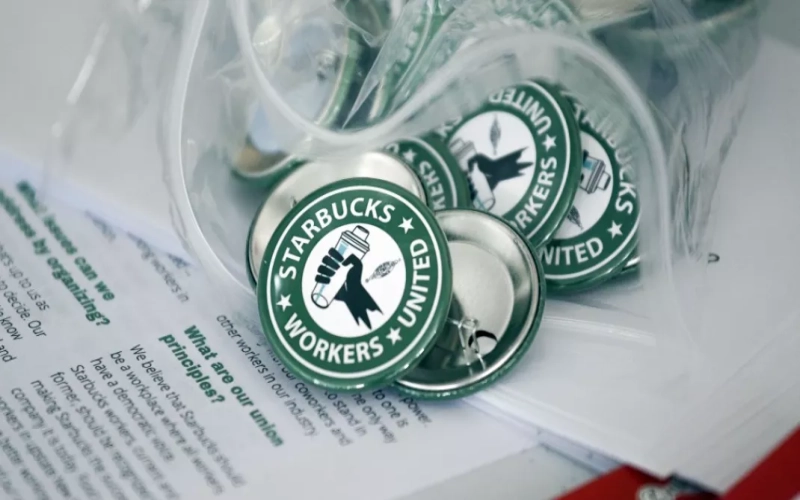
Why Are Starbucks Employees Forming Unions Everywhere? Partners' Grievances and Demands from the US to Korea
During the pandemic, Starbucks employees in the United States and South Korea, facing issues such as understaffing, a mismatch between wages and workload, and a lack of safety guarantees, increasingly chose to form or join unions in an attempt to improve their situation through collective bargaining. From the birth of the first union in Buffalo, New York, to responses from employees in Chicago and South Korea, the discontent among Starbucks partners continued to simmer. Although the company remained indifferent and was even accused of failing to provide adequate pandemic support, employees continued to seek channels to make their voices heard. This article will sort out the ins and outs of the Starbucks employee union movement, as well as the wage, treatment, and working environment issues reflected behind it. [more…]

From a 7-Million-Follower Blogger to US Barista Champion: How Morgan Eckroth Redefines the Meaning of Competition
At the recently concluded United States Barista Championship, Morgan Eckroth from Portland, Oregon, took the crown. Unlike most competitors, she was already a coffee influencer with over 7 million followers before the competition, and she made her entire preparation and competition process public through vlogs and livestreams. Taking the home coffee community that emerged after the pandemic as her theme, she shared her recipes and approach in advance, advocating that coffee should be delicious, replicable, transformative, and easy to make at home. This article will walk you through her competition journey, bean selection strategy, and creative recipes, and use them to explore the bottlenecks facing the Barista Championship and the shift in coffee consumption patterns in the post-pandemic era. [more…]
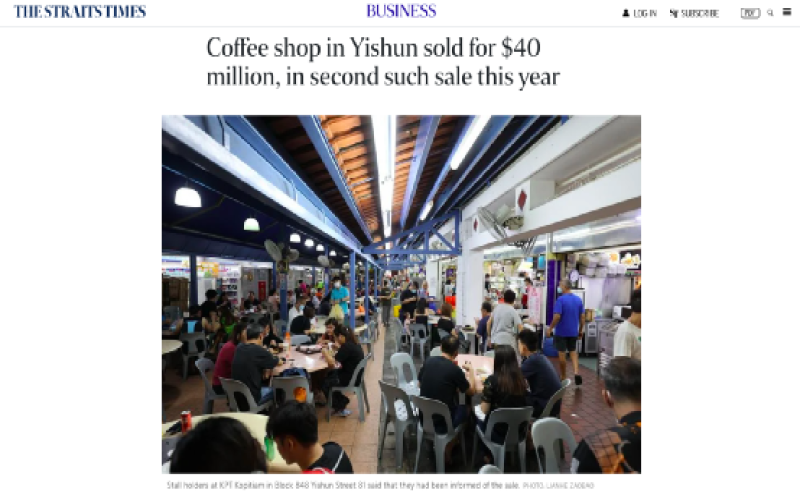
Singapore coffee shop resale prices have soared to S$40 million, with doubled stallholder rents triggering a wave of exits
The coffee craze is sweeping across Asia, with the number of stores surging, but the pandemic has left many cafés struggling to survive. In Singapore, the transfer fee for a coffee shop reached as high as 4,000,000 Singapore dollars, equivalent to nearly 200 million RMB. Another coffee shop in Tampines was sold for 41,680,000 Singapore dollars, and the stallholder's rent immediately doubled, from 6,000 Singapore dollars to 12,000 Singapore dollars, prompting many stallholders to consider downsizing or even exiting. Investors are betting on a return of consumption after the pandemic eases, but rising interest rates may dampen bidding enthusiasm. The predicament of rising costs and severed customer traffic under the pandemic is a microcosm of coffee shops worldwide. Front Street Coffee reminds us that while the dream of coffee is beautiful, the real costs should not be underestimated. [more…]